Water damage repair in San Diego
Restoration dries the house; repair puts it back. That second half is usually the bigger bill, and in California it needs a licensed contractor once the job reaches $1,000 in labor and materials.
On this page
What gets repaired
Whatever the drying crew cut out comes back in. On a typical leak that means the bottom two feet of drywall, the baseboard, the carpet pad or a run of flooring, and sometimes a sink base cabinet that swelled. After a ceiling leak it is the ceiling drywall and the insulation above it, then paint.
| Item | Published range | Source |
|---|---|---|
| Drywall repair, per square foot | $1.50 to $3 | Fixr |
| Carpet replacement after water, per square foot | $4.75 to $10.50 | Fixr |
| Hardwood floor repair after water, per square foot | $10 to $15 | Fixr |
| Roof leak repair | $350 to $1,500, $800 average | Fixr, Jan 2026 |
National published figures, not San Diego quotes.
The license rule
California's Contractors State License Board requires a license for any job of $1,000 or more in combined labor and materials, and for any job that needs a building permit, whatever the price. The limit rose from $500 to $1,000 on January 1, 2025 (CSLB, AB 2622). Almost every real water damage repair is over it.
Check the license number at cslb.ca.gov before work starts. The lookup shows whether it is active, what classification it is, and whether there is a bond and workers' compensation on file.
Same company or a separate contractor?
Some restoration companies hold a general building license and do the rebuild themselves. Others dry the house and hand you off. One company is simpler, and the moisture readings and photos stay in one file for the adjuster. A separate contractor can be cheaper and lets you shop the rebuild. Either works if the scope is written down and the walls are proven dry before anything is closed up.
Don't close it up wet
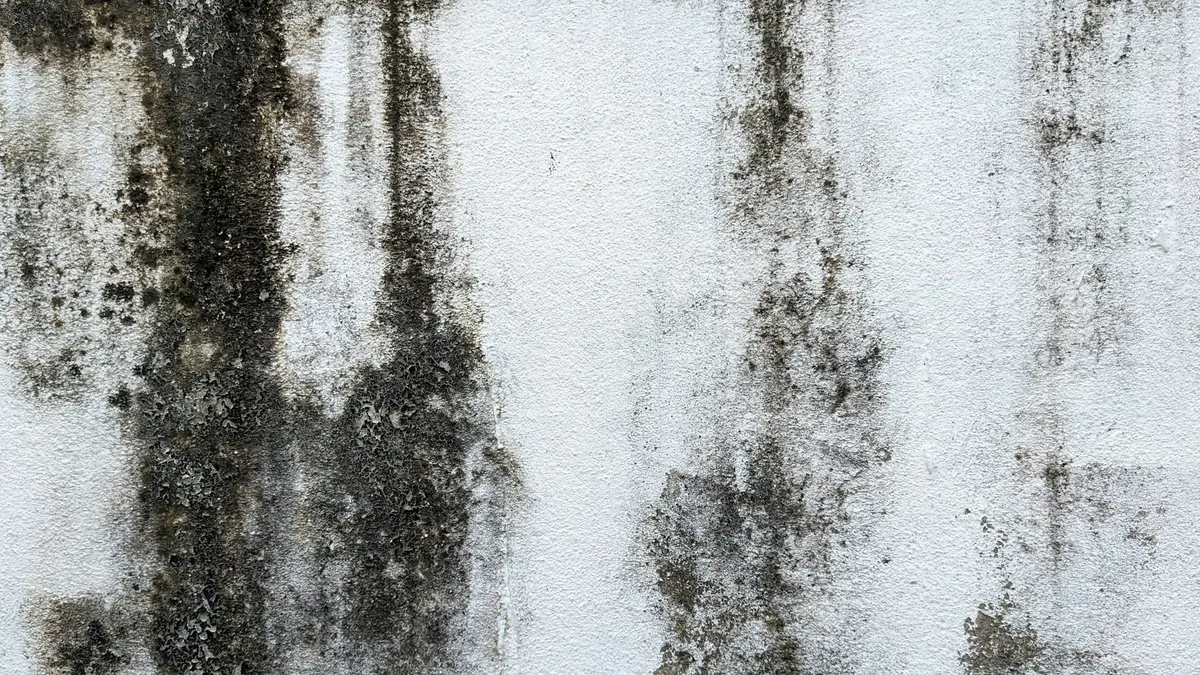
The most expensive mistake is new drywall over a cavity that never fully dried. Ask for the final moisture readings in writing, room by room, before the rebuild starts. The EPA says wet materials that don't dry within 24 to 48 hours are where mold starts, and mold behind fresh paint means paying twice.
Matching what was there
Insurers usually pay to restore the damaged area with materials of like kind and quality. When the flooring that got wet runs continuously through several rooms, matching becomes a real question; ask the adjuster how the policy handles it before anyone orders material.
Questions San Diego homeowners ask
Can a handyman do the repair?
Only if the whole job (labor plus materials) is under $1,000 and needs no permit, and they tell you they are not licensed. Above that, California requires a CSLB license.
How long does the repair take?
A single room is often a few days of work once materials arrive. Waiting on the adjuster, on a matching floor, or on a cabinet order is what stretches it to weeks.
Do I need a permit?
Cosmetic replacement like drywall patches and flooring often doesn't. Moving plumbing or electrical work usually does, as does anything structural. Ask the contractor, and check with the City of San Diego or your city's building department.
Sources
- CSLB Industry Bulletin: AB 2622 raises the minor work exemption to $1,000 (December 2024)
- Contractors State License Board: Check a License
- Fixr: Water Damage Restoration Cost (updated January 31, 2025)
- Fixr: How Much Does It Cost to Repair a Roof Leak in 2026? (updated January 27, 2026)
- US EPA: A Brief Guide to Mold and Moisture at Home (updated February 18, 2026)